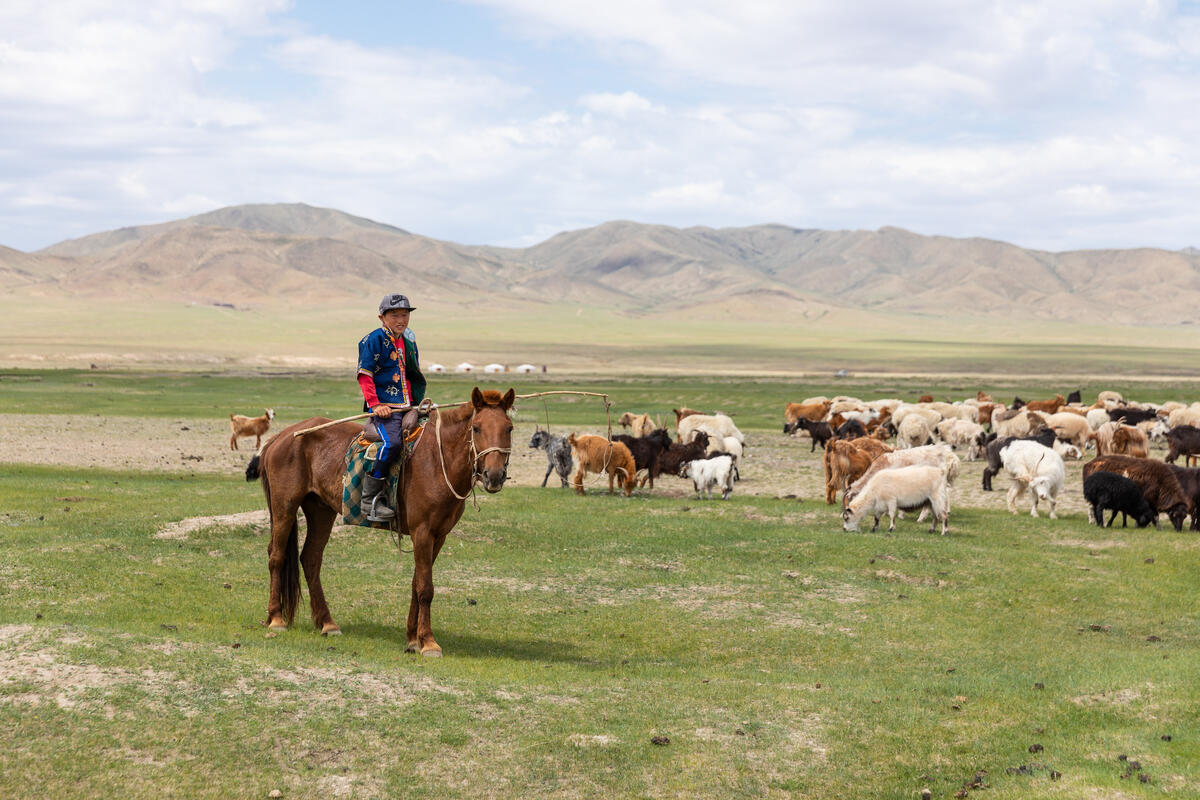
Hello! I am Chika, and I teach horseback riding at Horse Camp Mongolia.
While leisurely walking across the grassland, your horse suddenly stops, dips its neck down, and starts chomping on the grass at its feet…
This is one of the most common “horseback riding pitfalls” that beginners face with high probability.
Many people panic, thinking, “Even when I pull the reins, its head won’t come up at all!” or “How do I get it moving again?” but if you know the tricks, even those without much physical strength can easily handle it.
This time, we will introduce why horses stop to graze and the specific steps to handle it calmly while in the saddle!
Why do horses start eating grass on their own?
To a horse, the grassland is like an all-you-can-eat buffet spreading out as far as the eye can see with their favorite treats.
- Instinctive appetite: If there is delicious green grass right in front of them, their mouths naturally reach out for it.
- Testing the rider: Actually, this is the biggest reason. Horses are very smart animals. They might be checking (testing) the rider’s reaction, thinking, “This rider has loose reins” or “Will I get away with slacking off a bit?”
Once a horse learns that “it’s okay to eat grass,” they develop a habit of stopping repeatedly every time they walk. Therefore, it is important for the human to take the lead and teach them, “Now is the time to walk.”
3 steps to handle it without panicking
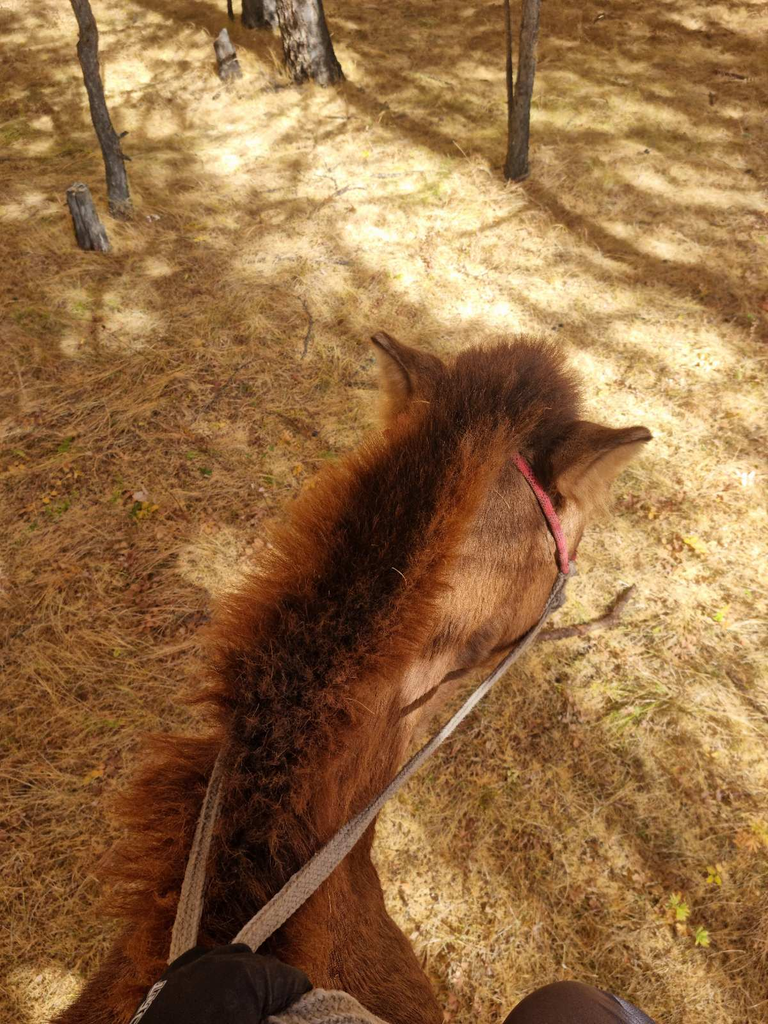
If your horse lowers its head and starts grazing, follow these steps to handle it calmly:
Step 1: Pull the reins “diagonally upward” instead of straight back
A horse’s neck strength is far greater than an adult human’s arm strength. Even if you use all your might to pull the reins straight back with both hands, the horse will brace its neck and keep eating grass.
- Tip: Hold the reins a little shorter, and briskly lift either the left or right rein “diagonally upward.”
- By applying pressure to the bit (the metal piece in the mouth) on one side to throw off the horse’s balance, you can make it raise its head smoothly with minimal effort instead of engaging in a contest of strength.
Step 2: Once the head is raised, immediately return the reins to their original position
When the horse stops eating grass and lifts its head, immediately loosen the reins you were pulling and return them to their original position (around in front of your solar plexus).
By giving the reward (releasing the pressure) of “it’s not uncomfortable if I raise my head,” the horse understands the meaning of the instruction.
Step 3: Look ahead and clearly say “Chu!” to move forward
The moment its head comes up, make it move forward immediately without pausing.
- Stop looking down at your hands or the horse’s head, and direct your gaze toward the direction you want to go (the flag ahead or the horse in front).
- Without missing a beat, give the signal with a short, sharp “Chu!” voice to make it move forward.
What NOT to do (NG Actions)
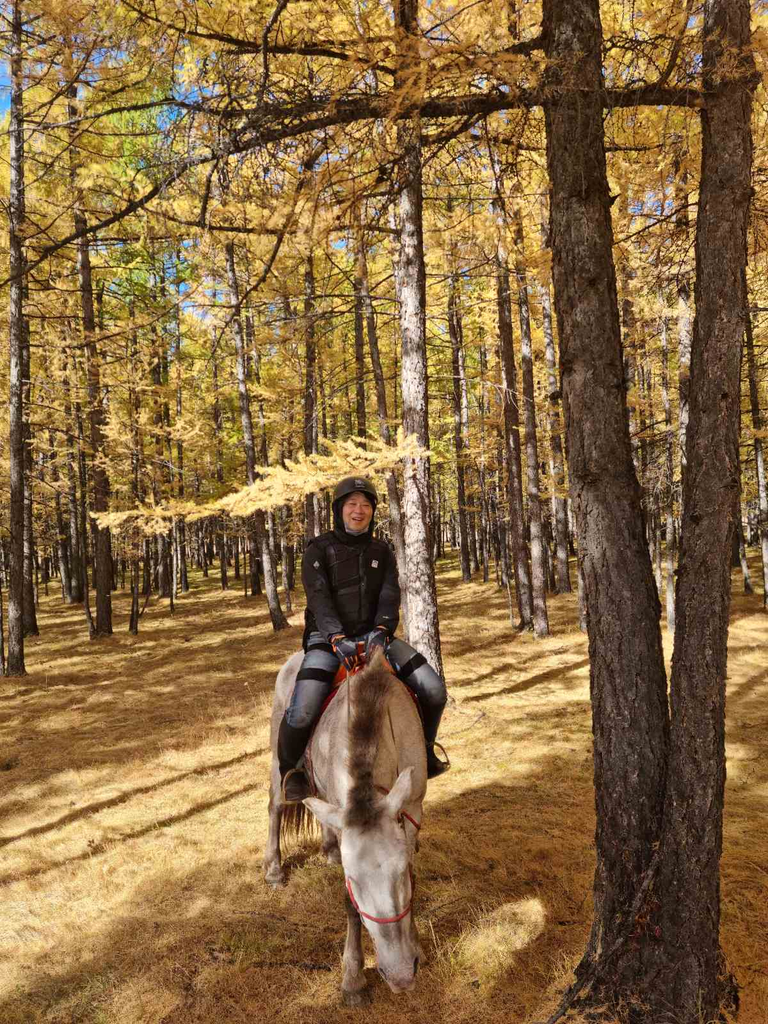
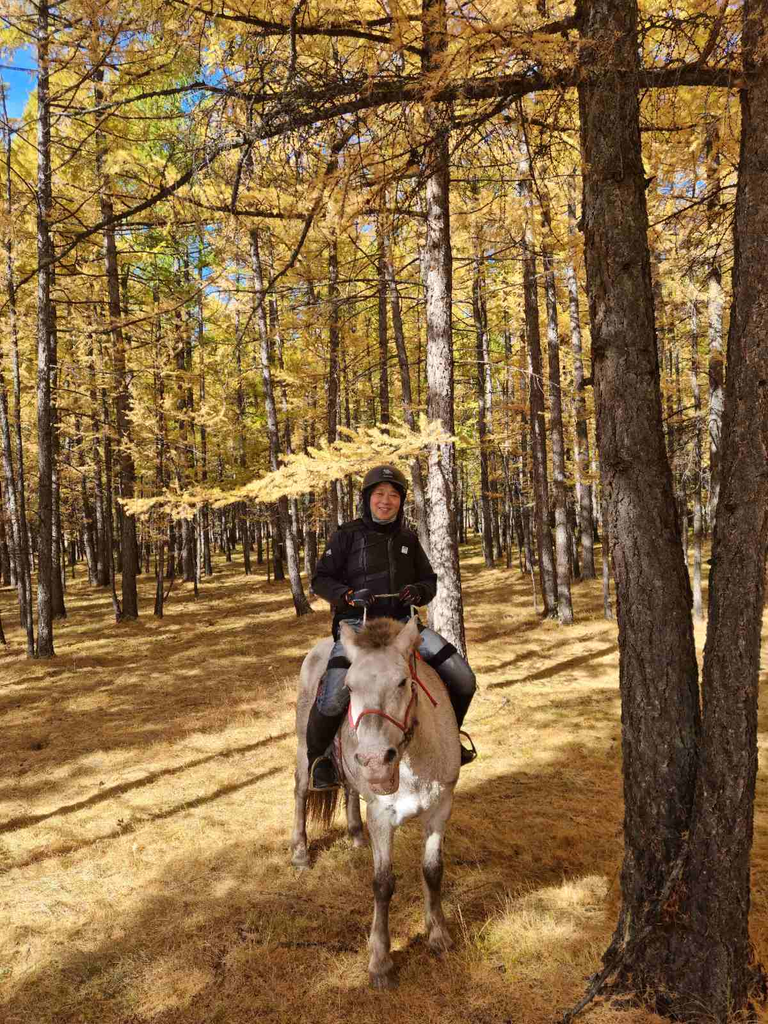
- Staring only down at the horse’s neck: When the rider looks down, their center of gravity collapses forward, making it even easier for the horse to lower its head.
- Letting them keep eating because “it’s poor thing”: Once you allow it, the horse will keep eating grass throughout the tour, falling far behind the group. Also, there is a danger of the rider being thrown forward by the momentum of the horse suddenly lowering its head.
- Panicking and letting go of the reins: If you completely release the reins, the horse will take complete control of the pace.
Deepening the bond with the horse by teaching each other the rules
Horseback riding is neither about yielding to every whim of the horse nor about subduing it with brute force. It is important to build a relationship where “both parties follow the rules and move forward together.”
The sense of accomplishment when the horse stops eating grass at your cue and starts walking together with you again is exceptional. Please stay calm, avoid rushing, and enjoy communicating with your horse!